
Dentistry can be lonely
Despite working in and around people, dentistry is often described as being a lonely profession, and many dental practitioners experience professional and social isolation.
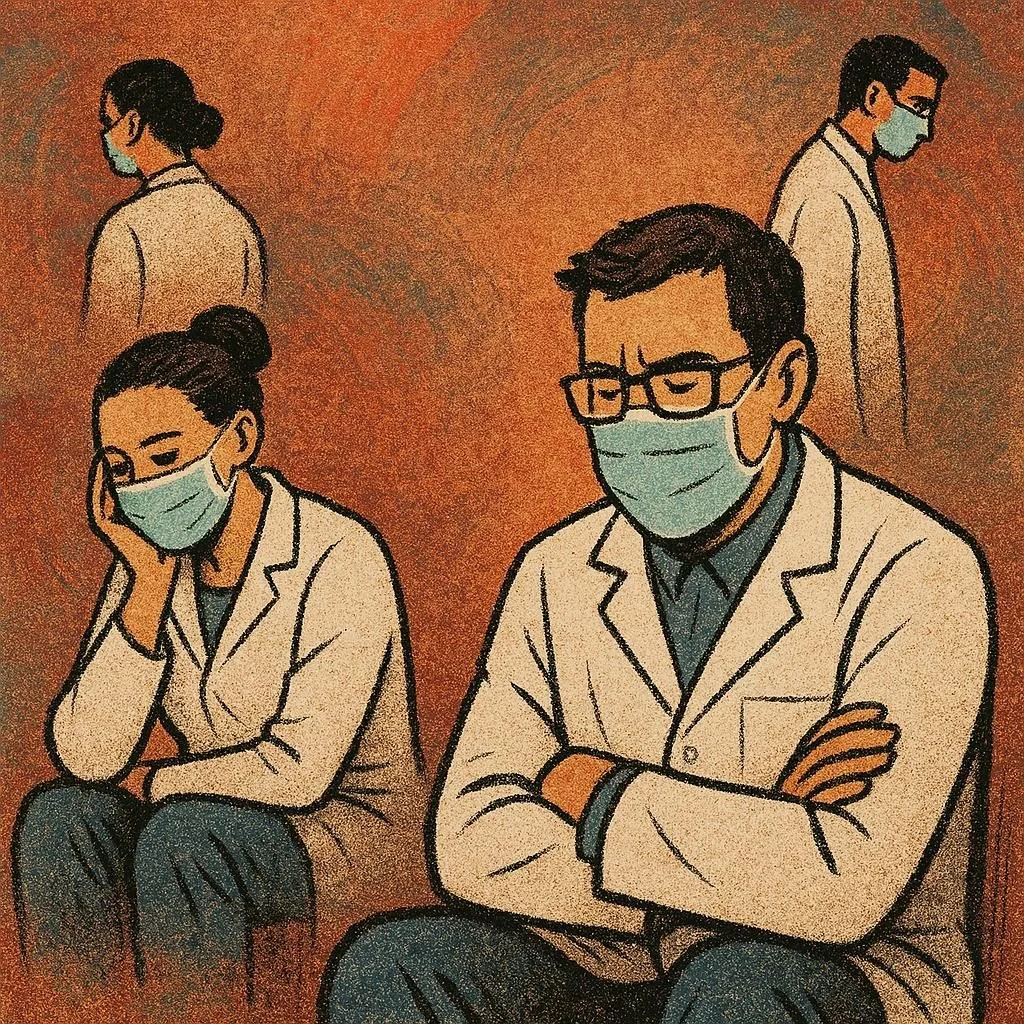
Many dental practitioners work in relatively small teams, sometimes as the sole clinician, limiting opportunities for meaningful peer interaction. Unlike hospital environments where colleagues are readily available for discussion and shared decision-making, dental practitioners often carry clinical responsibility for their treatment alone. Even within group practices, time pressures and productivity demands can restrict informal conversations that might otherwise support reflection and connection.
There is also a psychological dimension. Dentistry requires sustained concentration, precision, and emotional regulation. Much of the day is spent in a focused, task-oriented state, with limited space for regular dialogue beyond the immediate clinical interaction. Over time, this can create a sense of professional containment, where thoughts, uncertainties, and emotional responses remain largely internal.
Isolation matters because it shapes how we process stress. Without opportunities to reality-check decisions, share concerns, or debrief challenging cases, practitioners may become more vulnerable to cognitive distortions - overestimating risks, personalising outcomes, or becoming overly self-critical. Isolation can amplify burnout, reduce resilience, and make everyday challenges feel heavier than they are.
Isolation is not always obvious. High-functioning practitioners may continue to perform well clinically while feeling increasingly disconnected. Signs can include reluctance to discuss cases, reduced engagement with colleagues, or a sense of being stuck in one’s thinking.
Addressing isolation requires intentional effort. Informal peer networks - whether through study groups, mentoring relationships, or regular catch-ups - can provide valuable opportunities for shared reflection. These do not need to be highly structured. Even brief, consistent contact can help normalise experiences and reduce the sense of carrying everything alone.
For practice owners, there is an opportunity to foster connection within teams. This might involve creating protected time for case discussions, encouraging collaborative treatment planning, or simply allowing space for conversation beyond immediate tasks. A culture that values openness and mutual support can significantly reduce the psychological burden on individuals.
There is also a role for social media and online communities, particularly for practitioners working in more geographically isolated settings. However, they are most effective when they complement, rather than replace, trusted professional relationships.
Social connection is not a luxury - it is a protective factor. Dentistry will always involve individual responsibility, but it does not need to be experienced in isolation. Building and maintaining professional relationships supports not only mental health, but also clinical confidence and quality of care.