
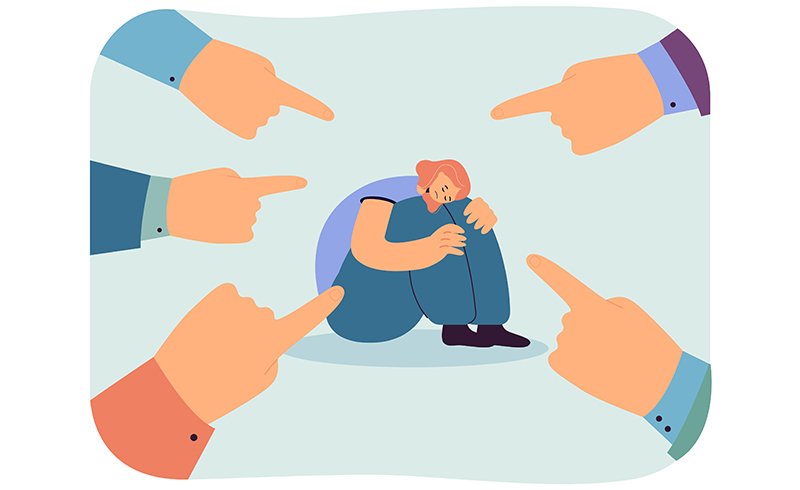
Despite well-documented high levels of stress and burnout, many dental practitioners delay or avoid accessing support. Stigma remains a significant factor. Concerns about being perceived as less capable, or about potential professional consequences, can discourage open discussion of mental health difficulties. There is often an implicit expectation of resilience – health practitioners should be able to manage challenges of their profession without external assistance.
Dental practitioners are trained to solve problems and make decisions independently. While this is a strength in clinical contexts, it can translate into a reluctance to seek input or admit vulnerability in personal matters. Over time, this tendency towards self-reliance can lead to a pattern of coping alone, even when support would be beneficial.
Then there are practical barriers. Time constraints, cost, and uncertainty about where to seek help can all delay action. In some cases, practitioners may not recognise the early signs of mental health difficulties, attributing symptoms to normal work stress rather than something that warrants attention.
Finally, many practitioners avoid seeking help for mental health issues because they are concerned about mandatory notification to their registration board, with possible implications for their ability to practice. Whilst it is true that a treating health practitioner (such as a GP, psychiatrist or psychologist) has certain obligations when providing care to other health practitioners, it is important to understand that the threshold for making a mandatory notification as a treating health practitioner is higher than it is for other notifier groups. The reason for this higher threshold is to give practitioners confidence to seek help without the fear of mandatory notification.
The consequences of delayed help-seeking are significant. Mental health issues tend to become more complex over time, affecting not only wellbeing but also concentration, decision-making, and interpersonal interactions. Early intervention, by contrast, is associated with better outcomes and less disruption to both personal and professional life.
Shifting this pattern requires both cultural and individual change. At a cultural level, there is a need to normalise help-seeking as part of professional responsibility. Just as dental practitioners maintain their clinical skills through ongoing education, attending to mental health should be seen as an integral aspect of safe practice.
At an individual level, recognising when to seek help is key. Persistent changes in mood, sleep, energy, or motivation are important signals. So too are difficulties in concentration, increased irritability, or a sense of being overwhelmed. These do not need to reach a crisis point to justify support.
Confidentiality is often a concern, but many support pathways are designed to protect privacy. Professional counselling, general practitioners, and dedicated practitioner support services can provide confidential, appropriate care. Understanding these options in advance can reduce hesitation when support is needed.
Peer support also has an important role. Colleagues are often well placed to notice changes and offer encouragement. Creating an environment where conversations about mental health are acceptable - and expected - can reduce stigma and make it easier for individuals to take the first step.
Ultimately, help-seeking should not be seen as a sign of weakness. It is an important and healthy adaptive response to the demands of a complex profession. Dental pracitioners who access support early are more likely to maintain their wellbeing, sustain their careers, and continue providing high-quality care.