
The Hidden Burnout Crisis in Dentistry
Burnout in dentistry is both common and curiously invisible. Many dental practitioners will openly acknowledge being tired or stressed. But fewer will admit to feeling emotionally depleted, detached from patients, or quietly questioning how long they can continue practicing at their current pace. Exhaustion is often normalised as ‘just part of the job.’ But when chronic exhaustion becomes the baseline rather than the exception, it signals something more serious.
Burnout is not a personal weakness. It is an occupational hazard and dentistry carries a uniquely high risk.
Why Dentistry Is Particularly Vulnerable
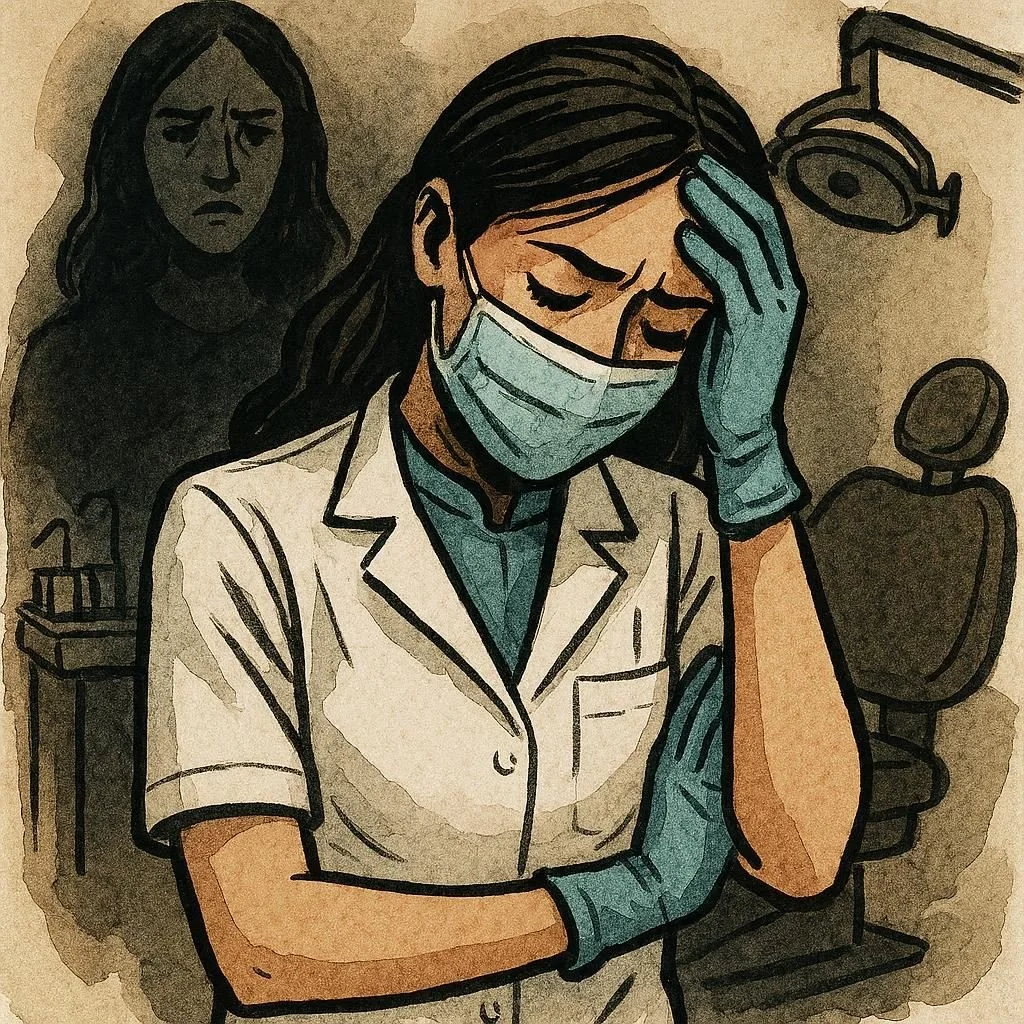
Several features of dental practice create a perfect storm for burnout.
First, the work demands sustained precision. Dentistry requires fine motor control, constant concentration, and decision-making in a confined physical space. There is little room for error, and the cognitive load is high from the first patient to the last.
Second, time pressure is relentless. Appointment schedules are tight. Delays ripple through the day. There is rarely protected recovery time between complex procedures.
Third, dentists absorb emotional strain. Many patients arrive anxious, ashamed, or in pain. Managing that emotional atmosphere while maintaining clinical excellence is psychologically taxing even if you are highly skilled at it.
Fourth, perfectionism is common in the profession. High standards drive quality care, but they also increase self-criticism and fear of mistakes.
Finally, for practice owners, business pressures compound clinical stress. Staffing issues, financial targets, compliance requirements, and leadership responsibilities create a second layer of cognitive load that continues long after the surgery door closes.
Individually, each factor is manageable. The combination – sustained over many years of practice – creates chronic stress exposure.
Recognising Early Warning Signs
Burnout does not appear overnight. It develops gradually, often masked by professionalism and competence.
Early signs include persistent fatigue that rest does not fully relieve; increased irritability or impatience; reduced empathy toward patients; emotional detachment; dreading certain appointments or patient types; and a subtle loss of satisfaction in work.
These symptoms are often put down to temporary stress or a busy period at work. However, when they persist, they indicate that your nervous system has been operating in survival mode for too long. Left unaddressed, burnout can progress into anxiety disorders, depression, or unhealthy coping mechanisms such as increased alcohol use. The earlier it is recognised, the easier it is to reverse.
Prevention, Not Just Crisis Management
It is important to focus on prevention rather than dealing with the symptoms of burnout. Being on the look-out for some of the factors that are likely to contribute to burnout, and making small adjustments can be more beneficial than dramatic changes made too late.
Recalibrate Workload
Consider whether your current schedule is sustainable in the long term. This may mean building more realistic buffers into appointment times, reducing particularly draining procedures where possible or spacing complex cases rather than clustering them. Productivity that relies on chronic overwork is not sustainable.
Establish Psychological Boundaries
Dental practitioners often carry work home mentally. Replaying cases, worrying about outcomes, or thinking through staff issues late into the evening prevents full recovery.
Create a structured end-of-day ritual then consciously close the mental file. Some clinicians find it helpful to physically change clothes immediately after work to signal transition. Boundaries are not avoidance; they are nervous system protection.
Micro-Recovery During the Day
Even in a packed schedule, recovery can occur in small doses. Between appointments take the time to take a few deep breaths, stand upright and stretch shoulders and neck or even step outside for two minutes of fresh air. These brief resets can help to prevent cumulative stress build-up.
Challenge Unhelpful Perfectionism
That internal dialogue that tells you ‘I should never get this wrong’ or ‘A good dentist wouldn’t feel overwhelmed’ contributes to feels of stress and burnout. Striving for perfection is completely acceptable. So is being able to acknowledge that mistakes are human.
Reconnect With Meaning
Burnout narrows your focus to pressure and problems. Try to reconnect with why you entered dentistry – to improve patient outcomes and transform their lives. Brief moments of gratitude or positive feedback can counterbalance stress bias.
When to Seek Support
If emotional detachment deepens, sleep becomes persistently disrupted, or mood significantly declines, professional support is appropriate. Early psychological intervention reduces long-term impact and protects both personal wellbeing and clinical performance. Seeking support is not a sign that you cannot cope. It is a sign that you intend to continue practicing well.
A Sustainable Career
Dentistry can be deeply rewarding. But it is also demanding in ways that are often underestimated, particularly for those who have normalised the intensity. Burnout thrives in silence and minimisation. Prevention begins with honest acknowledgment.
Exhaustion should not be the cost of competence. Sustainable dentistry requires not just technical excellence, but intentional protection of the clinician behind the mask.
Your wellbeing is not separate from your professionalism. It is fundamental to it.