
Difficult Patient Interactions
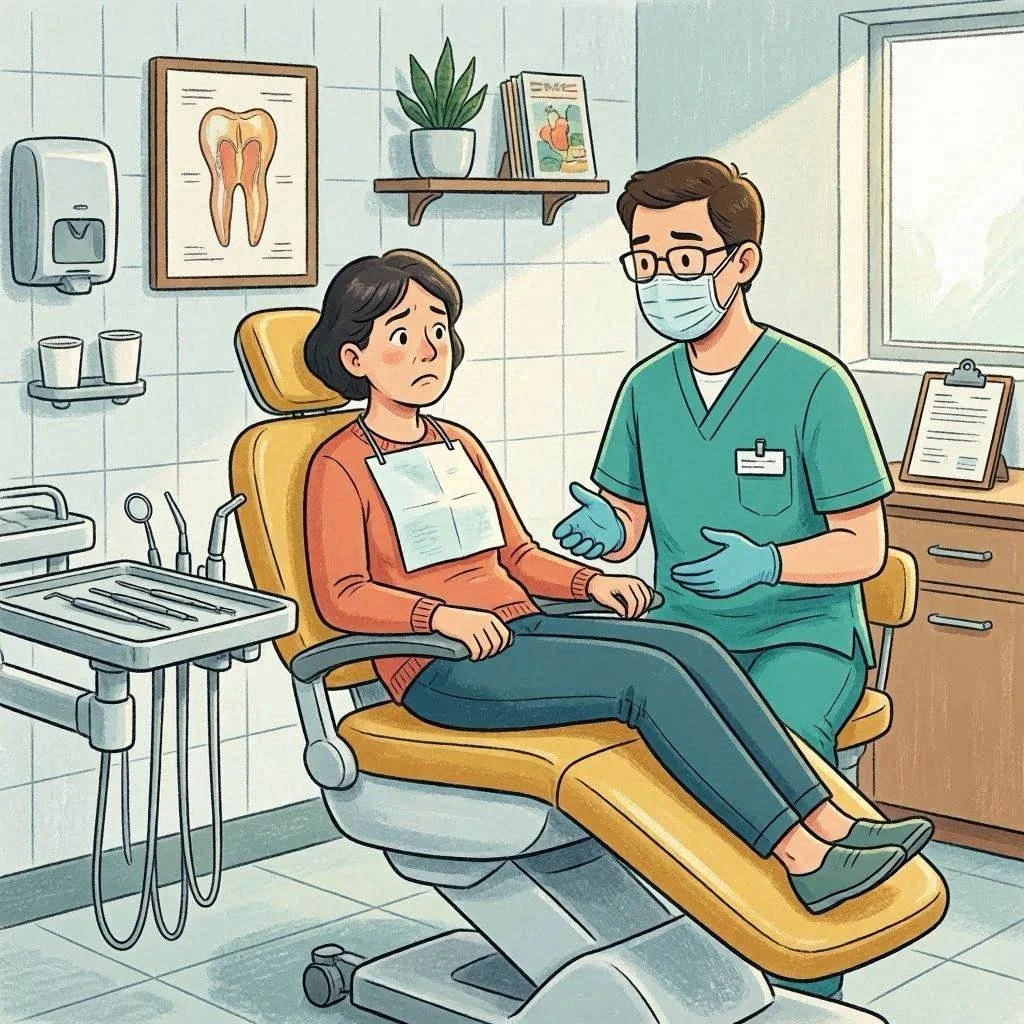
At its heart, dentistry is about people. Whilst we focus on clinical skills and technical expertise, the key to patient satisfaction often comes down to communication skills and how we manage the complex patient:clinician relationship. Managing patient expectations and emotions is critical – but we can’t forget the importance of managing our own emotions too when we are dealing with patients who are anxious, angry, dissatisfied or unrealistic.
These interactions that are the most challenging – and emotionally draining – aspect of dentistry. There is tendency to replay the interaction later, worrying about potential complaints, negative reviews and reputational consequences. That leads to endless ruminating about what we could have said or done differently.
Why negative interactions linger
We are hardwired to pay more attention to negative experiences. This negativity bias was important from an evolutionary perspective to notice and remember threats to ensure our survival. Unfortunately, this also means that a single patient interaction can consume far more our mental and emotional space than all of the rest of the positive patient interactions that day.
Ten patients will express their gratitude at the end of the appointment, but it will be the one negative review that keeps us awake at night. That’s because we interpret conflict, criticism or dissatisfaction as a potential threat, perpetuating our stress response long after the patient has left the dental clinic.
Our perspective can become clouded, and we then have a tendency to catastrophise – imaging the worst possible outcome. This can become a vicious cycle, where our constant state of being alert to threats can impact on future patient interactions, leading to more frequent problematic encounters. Over time, the cumulative exposure to emotionally demanding interactions can contribute to exhaustion, cynicism, and reduced job satisfaction.
The emotional labour of dentistry
One aspect of healthcare delivery that is often not well understood or appreciated by providers is the concept of emotional labour – the effort required – the effort that is required to regulate emotions whilst maintaining a professional demeanour.
Dental practitioners are expected to remain calm even as their patients are distressed; empathetic when patients are frustrated; and professional in the face of unrealistic demands or criticism. We think of this emotional control as inherent aspect of being a professional, but the emotional regulation requires energy.
The challenge arises when practitioners absorb their patients' emotions rather than managing them. There is a risk of internalised a patient's anxiety, anger, or disappointment, leaving the practitioner carrying an emotional burden that extends beyond the appointment.
Maintaining perspective
One of the most important skills that is necessary to effectively manage these difficult interactions is learning to separate patient emotions from your own personal identity. Patients arrive with anxieties, fears, past negative experiences, financial concerns, unrealistic expectations, or stressors entirely unrelated to dentistry. Often their emotional response to the appointment is a reflection of external circumstances that have nothing to do with your competence, character or professionalism.
It is important not to dismiss patient concerns whilst also recognising that not every negative reaction is a personal failure. When you learn to view challenging interactions through this lens, you are better positioned to respond constructively rather than defensively.
Practical strategies
Pause before reacting: Taking a moment to slow down and regulate your own emotional response can prevent escalation.
Focus on facts rather than interpretations: Instead of thinking, ‘The patient thinks I'm incompetent,’ consider, ‘The patient is frustrated about the outcome.’
Peer support: Discussing difficult cases with trusted colleagues can provide perspective and reassurance.
Avoid rumination: Reflection can be useful, but repeatedly replaying events rarely is. If lessons can be identified, acknowledge them and move forward.
Recognise the positives: Actively noticing positive patient feedback can help counterbalance the brain's tendency to focus on negative experiences.
Protecting long-term wellbeing
Difficult patient interactions are an unavoidable part of clinical practice. The goal is not to eliminate discomfort but to develop skills that prevent these encounters from dominating emotional wellbeing.
The most resilient practitioners are not those who never experience difficult emotions. They are those who can experience them, learn from them, and then leave them at work.
By maintaining perspective, seeking support, and recognising the limits of personal responsibility, dentists can continue to provide compassionate care without carrying the emotional weight of every difficult encounter home with them.