
Dentistry is a stressful profession, so it is inevitable that wellbeing conversations focus on ways to reduce or mitigate stress in the workplace. And whilst this is important, it is also critical to consider what happens once we leave the clinic.
Recovery is the process through which the body and mind repair and restore energy following periods of extreme effort. It is fundamental to both wellbeing and professional performance.
Without adequate recovery, even moderate and seemingly manageable levels of stress can gradually accumulate and contribute to burnout. For dental practitioners, understanding recovery may be one of the most valuable investments in long-term career sustainability.
The myth of constant productivity
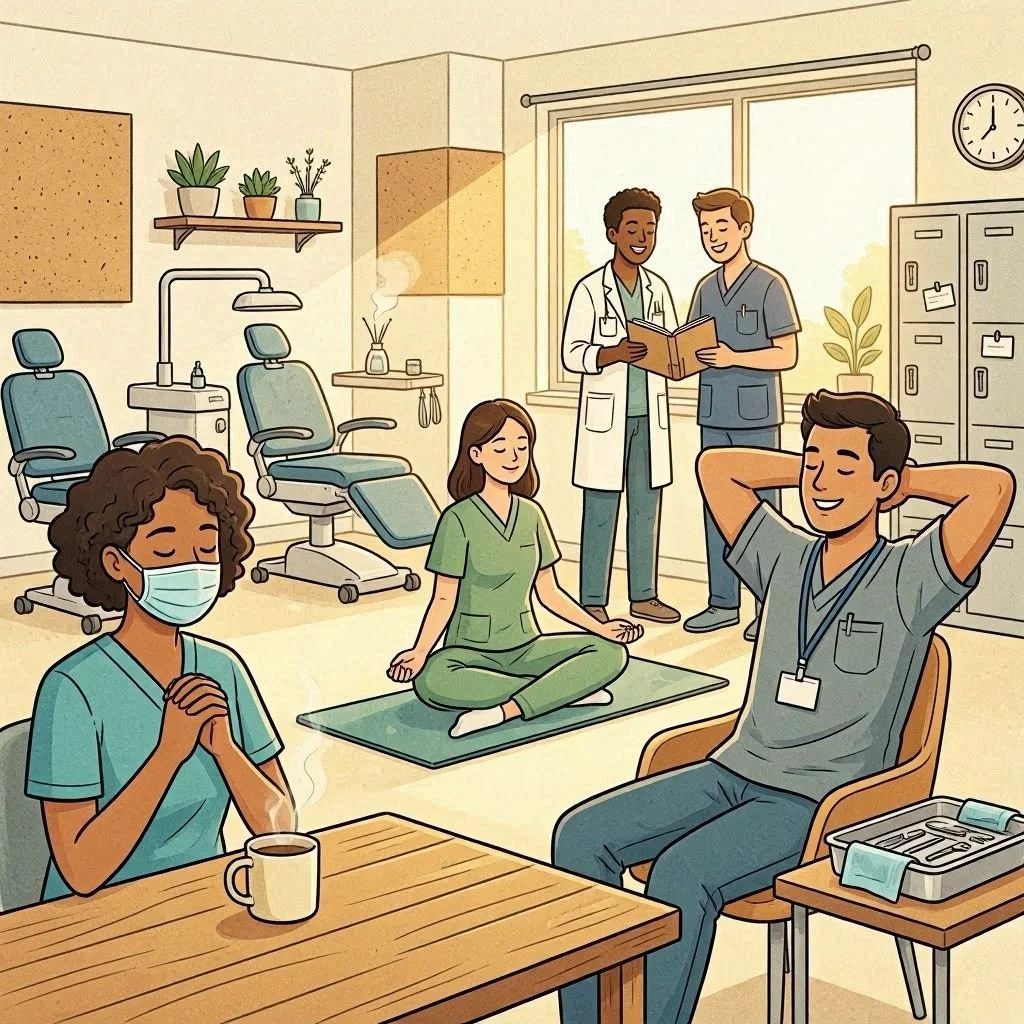
Healthcare professionals are accustomed to pushing through fatigue. One the one hand, there is a professional commitment and obligation to provide care to their patients. But increasingly in dentistry there is pressure to maintain a high level of productivity.
However, humans are not designed to function at peak performance indefinitely. Our physical and mental resources are finite. Concentration, emotional regulation, decision-making, and attention all require energy. When recovery is neglected, performance eventually declines, regardless of motivation or commitment.
Stress-recovery cycle
Stress itself is not inherently harmful. In fact, moderate levels of challenge can enhance performance and promote growth. Problems arise when stress is continuous.
Throughout a typical working day, dentists are exposed to multiple demands: patient care, time pressures, clinical decision-making, infection control requirements, administrative tasks, and interpersonal interactions.
The constant demands throughout the day – providing high-quality patient care, time pressures, clinical decision making, administrative tasks and managing interpersonal relationships - activate physiological stress systems, including the release of cortisol and adrenaline.
Recovery is important because it allows these systems to return to baseline.
Without recovery, the body remains in a prolonged state of activation, increasing the risk of fatigue, sleep disturbances, irritability, anxiety, and eventually burnout.
Research consistently shows that people recover more effectively when they can mentally disengage from work during their non-working hours. For many dental practitioners, this can be difficult as concerns about treatment outcomes, business pressures, patient complaints, or future appointments can continue long after the clinic closes. The body might be physically at home but the mind remains firmly at work.
Promoting recovery
Effective recovery often includes:
Physical activity. Exercise can reduce stress hormones and improve mood.
Social connection. Positive interactions with family, friends, and colleagues provide emotional support and perspective.
Hobbies. Activities that involve learning new skills or pursuing hobbies can create a sense of achievement outside professional identity.
Relaxation. Reading, gardening, music, meditation, and other calming activities help reduce physiological arousal.
Sleep. Sleep remains the cornerstone of recovery and is essential for cognitive performance and emotional regulation.
Recovery activities do not need to be elaborate. Consistency is more important than intensity.
Recovery is not a reward
There is a common misconception that recovery must be earned, and that rest can only occur once every task is completed. The reality is that there are always more jobs to do, and this mindset risks pushing recovery into the distant future.
The reality is that recovery is not the reward for productivity, it is a precondition that makes productivity possible.
Just as athletes incorporate recovery into training plans, healthcare professionals benefit from viewing recovery as an essential component of performance.
A successful dental career is measured not just by clinical excellence but by also by sustainability. The ability to maintain enthusiasm, empathy, concentration, and health over decades depends on how effectively practitioners recover between periods of work.
What happens after the clinic closes may be just as important as what happens while it is open. By prioritising recovery, dental practitioners are not lowering their professional standards. They are protecting the physical and psychological resources that allow them to continue practising at a high level for years to come.