
How to beat burnout
Burnout has become a significant problem across the health professions, and recent research has highlighted that as many as one in four Australian dental practitioners had symptoms consistent with burnout.
Burnout is defined as a state of exhaustion resulting from prolonged and excessive workplace stress with three dimensions of emotional exhaustion, depersonalisation (loss of empathy for, or detachment from patients) and reduced personal accomplishment.
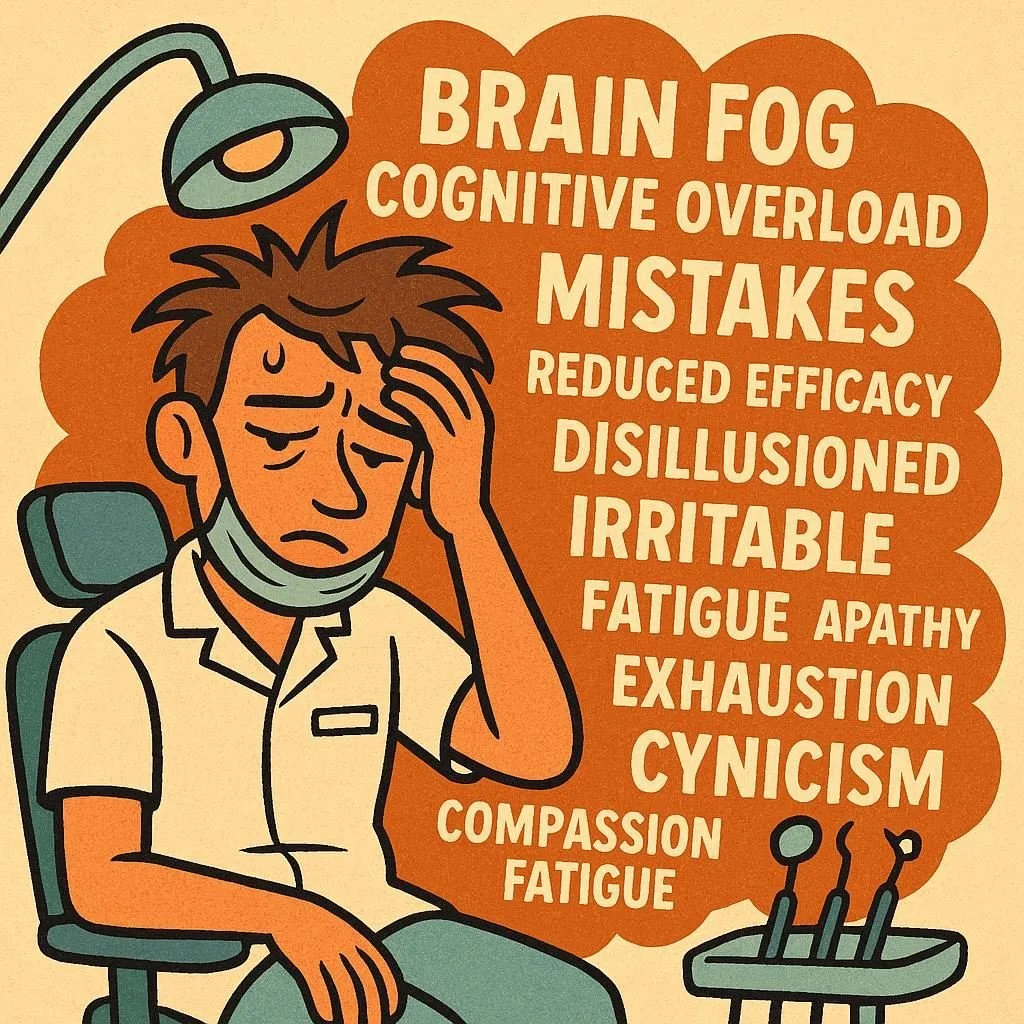
It encompasses a wide range of symptoms, including low energy, motivation or mood; feeling isolated or trapped; feeling cynical or disengaged from work; decreased life satisfaction; procrastination; irritability; feeling exhausted or drained; disrupted sleep; and physical responses like headaches and body pain. It can also result in impaired cognition, which might compromise work performance and the potential risk of clinical errors.
You don’t need to exhibit all of these symptoms to be experiencing burnout. Conversely, if you’re exhibiting some of these symptoms, it doesn’t mean you’re necessarily experiencing burnout either. Burnout usually occurs when you experience some or all of these symptoms in combination with feeling emotionally overloaded.
Although emotional exhaustion is considered to be the key component of burnout, depersonalisation may give the feeling or perception of callousness or dehumanisation, and reduced personal accomplishment captures the worker’s sense that they are less energetic, effective and accomplished at work.
According to Christina Maslach, burnout has six main causes:
1. Unsustainable workload
2. Perceived lack of control
3. Insufficient reward for effort
4. Lack of a supportive community
5. Lack of fairness
6. Mismatched values and skills
We know that dental practice is stressful, whether it is the time and scheduling pressures, striving for perfection, fear of litigation, demanding and unrealistic patient expectations, anxious patients, long working hours, business demands of the dental practice, feeling isolated, regulatory pressures and negative public perceptions of dentistry. Working with patients who may be anxious, have complex treatment needs or high expectations can create chronic stress and may be associated with burnout amongst practitioners. Many of these stressors are inherent to the working environment of a dental practitioner, and they are not always within their control.
Given that many of these are workplace issues (and indeed burnout is defined as a syndrome resulting from chronic workplace stress that has not been successfully managed), addressing burnout must include the workplace in order to be successful. Focusing on the individual and prescribing self-care will only get us so far.
Workplace: Look at the factors in the workplace that might be contributing to burnout, including unsustainable workloads, lack of control or fairness. Talk to your workplace to discuss ways to create a more supportive environment.
Connecting with others: Talking about your feelings can also help you alleviate the strong emotions associated with burnout, so consider confiding in a trusted colleague, friend or family member.
Improve work-life balance: Dental professionals often struggle to maintain a healthy work-life balance, with the demands of the job frequently spilling over into personal time. Make sure that you carve out some time to connect with loved ones, pursue hobbies and interests, and engage in activities that bring you joy and fulfillment outside of work.
· Regain a sense of purpose: People who spend less than 20% of their time on activities that are most meaningful to them have higher rates of burnout. Dental practitioners are purpose driven, but sometimes -stuck in the grind of clinical treatment – we can lose sight of why we are really doing this.
Managing your time: Planning important tasks ahead of time can provide structure in your day-to-day life and prevent you from overextending yourself. Stick to working on these tasks only during the periods you’ve allocated to complete them and use any personal time to pursue activities that you enjoy.
Tackling unrealistic expectations: The dilemma for perfectionists is that they have a tendency to set the bar so high that it creates unrealistic expectations. When expectation and reality clash, that causes us distress.
Setting boundaries: Trying to be all things to all people can leave you feeling stressed and overwhelmed. Set some boundaries by talking to colleagues, friends and family members about what you can do on your own and what help you might need help with. As well as helping you manage your workload, this process can help the people around you understand your limits.
Seeking professional help: A mental health professional can help you to understand and manage your feelings of burnout.
If you are feeling stressed, tired and emotionally exhausted, don’t bottle it up. Talk to a friend or colleague and take steps to look after your wellbeing.
How do I know if I have burnout?
One issue with burnout is that there are no clear diagnostic criteria to assign burnout clinical ‘case’ status. No burnout measure has established a replicated cut-off score for caseness. However, if you are feeling symptoms of burnout such as physical exhaustion, poor judgment, cynicism, guilt, feelings of ineffectiveness or a sense of disconnection with co-workers or patients, take the Sydney Burnout Measure self-test here to give you an understanding of the likelihood that you might have burnout.
Or you can take the Black Dog Institute’s free online mental health assessment which screens for up to 10 different mental health conditions (including depression) and provides a personal report with resources and recommendations to get help.