
Dentistry places you in a unique psychological position. Every day, you treat patients who may be fearful, ashamed, distressed, in pain, or carrying long-standing dental trauma. You are expected to remain calm, reassuring, and clinically precise, all the while working under time pressure. What is less discussed is the emotional cost of repeatedly dealing with and absorbing other people’s anxiety.
Over time, this can quietly erode your own wellbeing.
Emotional Contagion
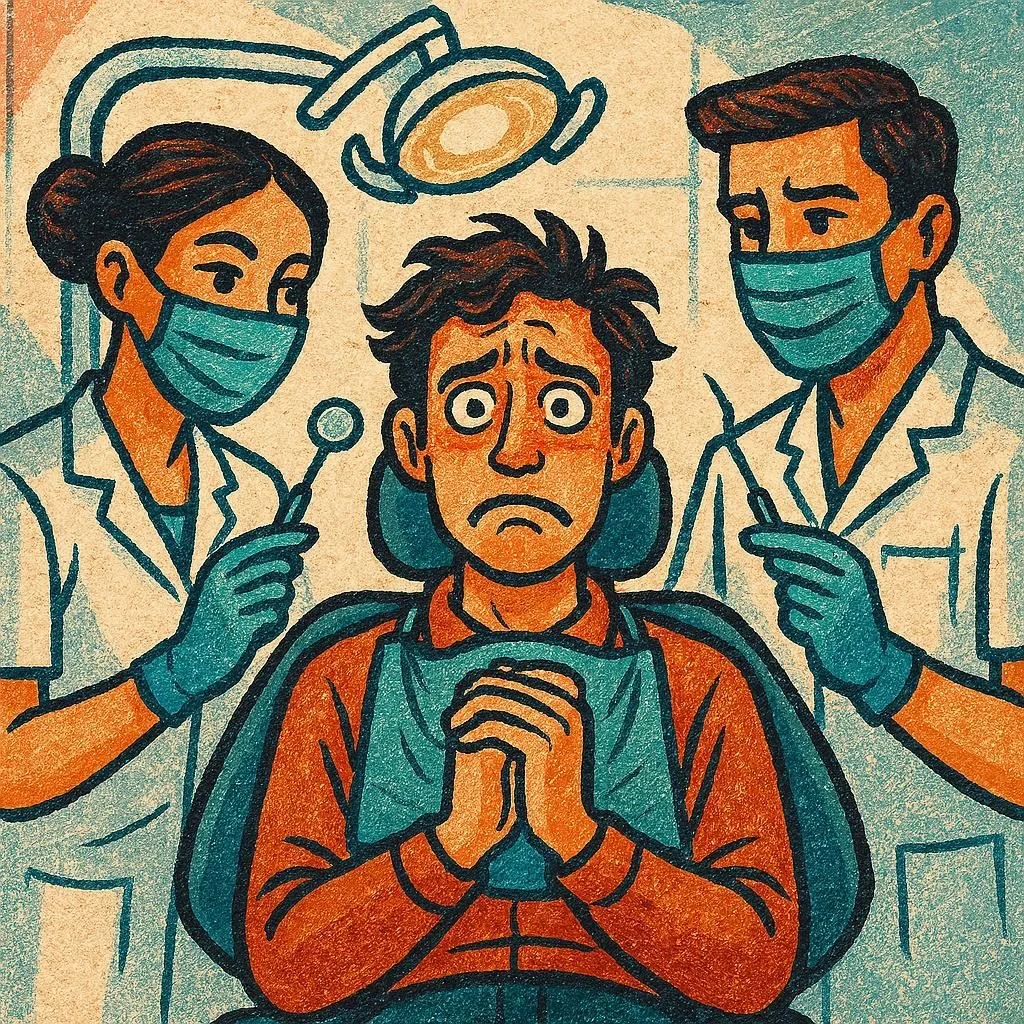
We are wired for emotional attunement, the process of being present, aware and responsive to the emotional state of others, helping to form an empathetic connection. We do this through the subtle cues of the people around us – their tone of voice, facial expression or body tension – and we subconsciously mirror their emotional state. This is known as emotional contagion, the subconscious and spontaneous spread of emotions. In a dental surgery, however, repeated exposure to heightened anxiety can activate your own stress response multiple times each day.
Even if you think that you are ‘used to it’ and can cope, your nervous system is still responding, with elevated cortisol, muscle tension, shallow breathing, and increased vigilance. When this pattern becomes chronic, it contributes to irritability, exhaustion, reduced empathy, and eventually compassion fatigue.
Compassion fatigue is not a failure of caring. It is what happens when caring occurs without sufficient psychological boundaries.
Empathy vs. Emotional Absorption
A crucial distinction exists between empathy and absorption.
Empathy says: I understand you are anxious.
Absorption says: I feel your anxiety as if it is my own.
Dental practitioners can blur this line because rapport and reassurance are core to good care. But absorbing patient distress does not improve outcomes, it simply transfers the stress load to you.
Maintaining what psychologists call boundaried empathy allows you to remain warm and present without internalising responsibility for a patient’s emotional state. Their anxiety is understandable, but it is not yours to carry.
Protect Your Wellbeing
Regulate Before You Reassure
Before engaging with an anxious patient, take one slow deep breath. This lowers your own physiological arousal and prevents emotional escalation. A regulated clinician co-regulates the patient more effectively than a tense one.
Separate Responsibility from Care
You are responsible for providing competent, compassionate treatment. You are not responsible for eliminating all patient anxiety. Some fear will remain — and that is okay.
Mentally rehearsing this distinction can prevent self-blame when a patient remains distressed despite your best efforts.
Micro-Resets Between Appointments
Even 30 seconds matters. Stand upright, roll your shoulders, exhale fully, and consciously ‘release’ the previous interaction. Step outside of the room. Have a glass of water. Reset. Some clinicians find it helpful to visualise placing the patient’s anxiety back with them as they leave the room.
Without these resets, emotional residue accumulates across the day.
Debrief Difficult Encounters
Avoid normalising extreme behaviour or internalising criticism. A brief, structured debrief with a colleague, focused on facts rather than rumination, can reduce psychological load and reinforce team cohesion.
Monitor the Signs of Compassion Fatigue
Watch for increased cynicism, reduced patience, dread of anxious patients, or feeling emotionally numb. These are early signals, not personal flaws. Addressing them early prevents escalation into burnout.
Protecting the Professional You
Dentistry demands sustained concentration and technical excellence. Chronic emotional activation undermines both. Protecting your psychological boundaries is not about becoming detached or indifferent; it is about sustaining your capacity to care over a long career.
When you stop absorbing every anxious interaction, you preserve energy, improve decision-making, and often find that your calm presence becomes more authentic and more effective.
Your patients need your skill. They benefit from your empathy. But your wellbeing matters too.
Learning to manage patient anxiety without absorbing it is not selfish. It is sustainable professionalism.