
Why do we struggle to ask for help?
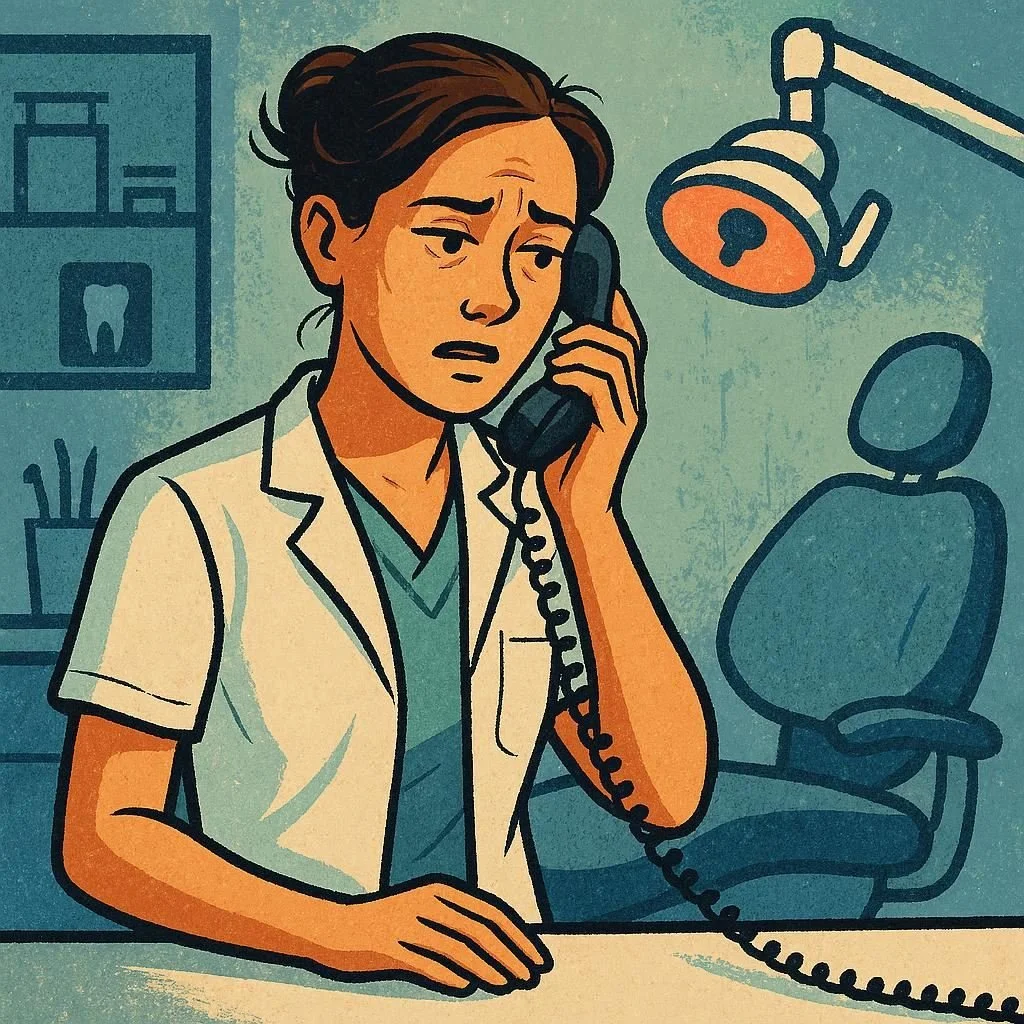
Dentistry is a profession built on competence, control, and responsibility. From the earliest days of training, dental practitioners the importance of precision, self-reliance and autonomy in their decision making. Accountability for those decisions and the clinical outcomes for patients is essential. But these traits can make it difficult to ask for help when you are struggling.
Research consistently shows that dentists experience high levels of stress, anxiety, burnout, and psychological distress. Yet compared with the general population, they are less likely to seek mental health support early. Just like dental disease, delayed diagnosis invariably contributes to a worsening of symptoms. By the time help is sought, distress is often severe, prolonged, and can affect not only personal wellbeing but may also start to impact on professional performance. This isn’t a personal failing; it is a cultural and structural issue within the profession.
One of the significant barriers to seeking help is professional identity – many dental practitioners have internalised the belief that their competence as a clinician is linked to their ability to cope through difficult circumstances. Struggling or asking for help is seen as evidence of weakness, inadequacy or even failure, rather than what it actually is – a normal human response to sustained pressure.
When challenges arise – whether they are patient complaints, clinical errors or business-related issues – dental practitioners often turn inwards, thinking that they can solve the problem on their own. They can often become self-critical, and fear not only ‘What will others think?’ but also ‘What does this say about me as a dental practitioner?’
This then leads into anxiety about potential professional consequences. Concerns about confidentiality, registration, insurance, or regulatory scrutiny can lead to hesitancy to disclose psychological distress or seek professional help - even when support is confidential and appropriate. This fear is usually completely unfounded or disproportionate to the actual risk, but it can be a driving force that ensures that many people continue to suffer in silence. The result is delayed help-seeking, increased isolation, and worsening mental health.
There is also a strong culture of normalisation in dentistry. Long hours, emotional exhaustion, sleep disruption, and chronic stress are often framed as just being a normal part of dentistry and often worn as a badge of honour. Therefore, when everyone else appears to be coping through the same stressed, it becomes harder to reach out for help because everyone else is managing. However the reality is different – as the research shows, many practitioners are privately struggling, suffering high levels of psychological distress, anxiety, depression and burnout. This creates a collective illusion of resilience that benefits no one.
Changing this pattern starts with reframing what help-seeking means. Asking for help is not an admission of failure; it is a form of professional responsibility. Just as dental practitioners refer patients when care is outside their scope, seeking psychological support is an appropriate response when mental load exceeds capacity. Early intervention protects cognitive function, emotional regulation, decision-making, and ultimately patient safety.
Practical steps matter. There are benefits to accessing trusted, profession-aware supports - whether that is a psychologist familiar with healthcare work, a peer support program, or a confidential helpline. Normalising regular mental health check-ins with your general medical practitioner, rather than waiting for crisis, reduces stigma and increases access. Importantly, this type of support should be proactive, not reactive.
At an individual level, it is important to be aware of internal warning signs: persistent irritability, emotional numbness, sleep disturbance, rumination, or loss of enjoyment. These are signals, not shortcomings. Naming distress - even privately - is often the first step toward change.
At a broader level, the profession benefits when leaders, educators, and senior clinicians speak openly about mental health and model help-seeking. Culture shifts when vulnerability is seen not as weakness, but as wisdom.
Dentistry demands excellence, but it should not demand silent suffering. Creating a profession where asking for help is expected, supported, and safe is not just good for clinicians - it is essential for the long-term health of dentistry itself.